
PERSPECTIVE
Architectural Visualization in Miami: Selling the Vision Before Construction
In a market shaped by global buyers, luxury demand and pre-construction sales, the strongest visuals do more than show a building. They make an unbuilt project easier to understand, compare and act on.
Sphere Design · septiembre 2026
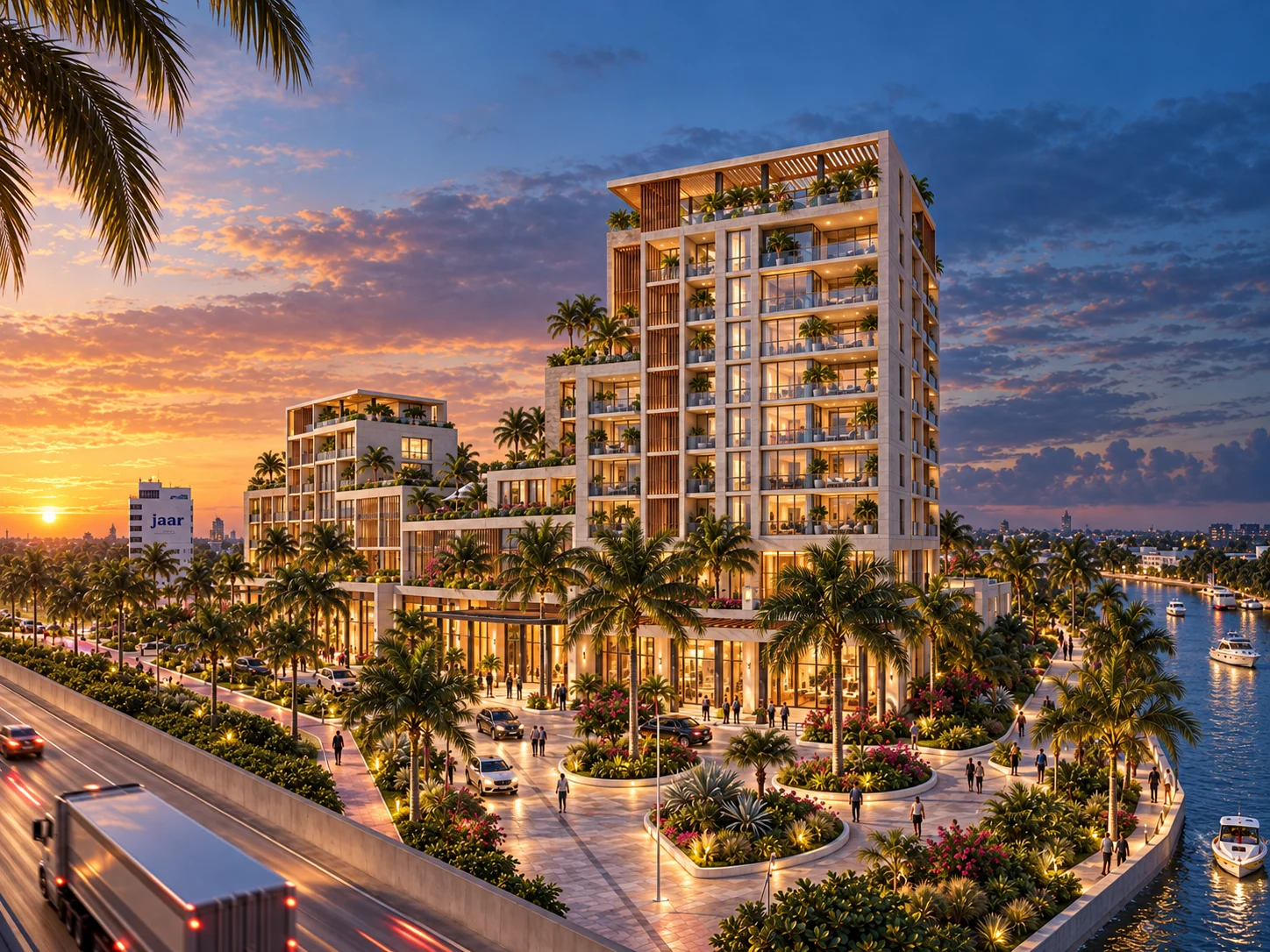
Miami buyers are deciding before the building exists
For a pre-construction project, the first meaningful experience of the product often happens long before a buyer can walk through a lobby, stand on a balcony or understand the scale of an amenity deck. In Miami, that gap matters even more because the audience is unusually global.
The latest MIAMI REALTORS new-construction global sales report available found that international buyers represented 52% of new South Florida construction, pre-construction and condo-conversion sales in the dataset, with buyers coming from 73 countries. At the same time, the luxury end of the market remains highly active: through August 2026, Miami-Dade had already recorded 194 sales above $10 million, exceeding the county’s full-year 2025 total.
For developers, this creates a simple challenge: many prospects are being asked to understand and value something they cannot physically experience yet. Architectural visualization becomes part of the product communication itself. The renderings, animations and immersive views have to make location, scale, atmosphere and lifestyle legible before construction can do that work.
Sell the value, not just the image
A beautiful image can attract attention. A useful image explains why the project deserves it.
Before production begins, define what each visual needs to communicate. Is the selling point an uninterrupted water view? The arrival sequence? A double-height lobby? A private-elevator experience? Material quality? The relationship between indoor and outdoor living? The character of an amenity program?
Those questions should determine the camera position, time of day, styling, landscaping, people, lighting and level of detail. A wide exterior may establish address and context, while an interior close-up can make craftsmanship and materiality tangible. An animation can reveal sequence and movement in a way a still image cannot.
For a developer, the objective is not to produce more images. It is to produce the right set of images for the decisions a buyer, broker or investor needs to make.
Build one visual system across every channel
Pre-construction marketing rarely lives in one place. The same project may appear on a website, social media, digital ads, broker presentations, sales-gallery displays, print collateral, listings and video.
That makes visual consistency commercially important. Architecture, finish selections, furniture, landscaping, views, lighting and brand atmosphere should not shift unpredictably from one asset to another. When every image feels like part of the same project, the campaign becomes easier to recognize and the promise feels more coherent.
This is also where planning creates efficiency. A coordinated 3D scene can support hero renderings, detail views, vertical social crops, animation frames and 360-degree experiences without reinventing the project for every channel. The result is a stronger visual identity and a more adaptable marketing library.
Make visualization part of the development strategy
The most effective visualization work starts before the marketing deadline.
Developers, architects, interior designers and marketing teams benefit from agreeing early on what is fixed, what is still being designed, what needs to be sold first and which views will carry the campaign. Early block-outs can test composition and hierarchy before time is spent refining materials, styling and post-production.
That process also makes feedback more useful. A comment about architecture is different from a comment about camera angle, furniture or mood. Separating those decisions reduces unnecessary revisions and keeps the visual work aligned with the project.
In a competitive Miami market, architectural visualization is not simply the final polish added to a development. Used strategically, it is a tool for making an unbuilt project understandable, desirable and consistent across every point where a future buyer encounters it.
Explore our architectural visualization services, view the portfolio, or tell us about your project.